Fillet weld symbol
A fillet weld joins two surfaces at roughly a right angle, in a T, lap or corner joint, with a weld of triangular cross-section. It is the most common weld in structural steel.
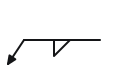
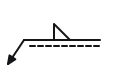
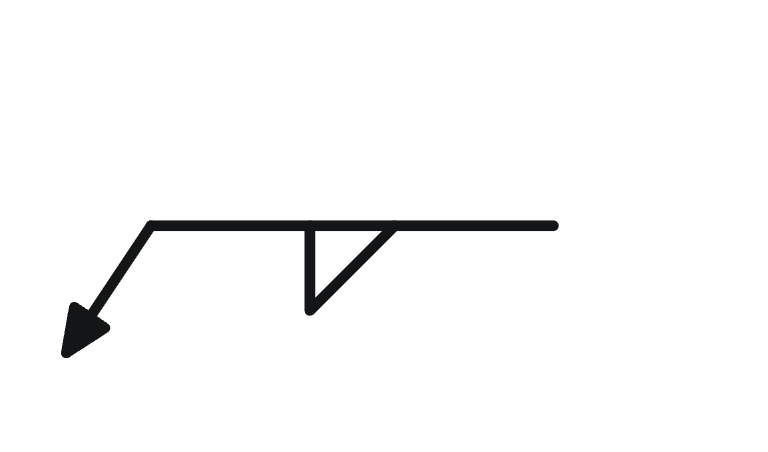
What the fillet weld symbol means
A fillet weld joins two surfaces at roughly a right angle, in a T, lap or corner joint, with a weld of triangular cross-section. It is the most common weld in structural steel.
AWS A2.4 and ISO symbols
Fillet weld. The same triangle, on the solid line for an arrow side weld. The size is written with its letter: a for throat, z for leg.
ISO SVGWhere you see it
Stiffeners, brackets, beam to plate connections, lap joints and almost every secondary steel detail.
What is written next to it
On the welding symbol, the fillet weld carries the size to the left: the leg in AWS, a (throat) or z (leg) in ISO, and for intermittent welds the length and pitch (AWS) or number, length and spacing (ISO) to the right.
How it is inspected
Inspection of a fillet weld usually covers visual inspection of leg size, throat and profile with a fillet gauge, and MT or PT where the code calls for surface crack detection. Each inspection is recorded against the weld, so the joint can be signed off with its evidence. See the ITR guide.
Related symbols
Frequently asked questions
What does the fillet weld symbol look like?
On AWS A2.4 drawings: A right triangle with its vertical leg on the left, below the line for an arrow side weld. The number to the left is the leg size. In ISO 2553: The same triangle, on the solid line for an arrow side weld. The size is written with its letter: a for throat, z for leg.
Is the fillet weld symbol the same in ISO and AWS?
No. The same triangle, on the solid line for an arrow side weld. The size is written with its letter: a for throat, z for leg.
Where is a fillet weld used?
Stiffeners, brackets, beam to plate connections, lap joints and almost every secondary steel detail.
- In production since 2014
- Thousands of daily users
- On MODEC FPSO projects since 2016